
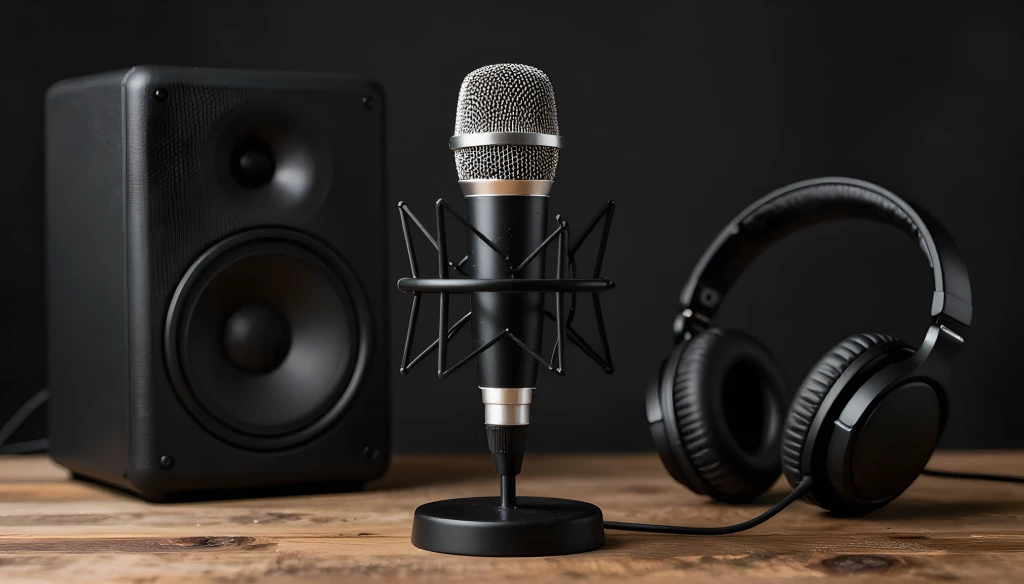
Singing equipment reviews are everywhere online, but most push whatever's trending without actually helping you choose what's right for your voice, your space, and your budget.
This guide is built differently. We break down every category of singing gear a vocalist could ever need, explain what actually matters, and link you to deeper reviews when you want to go further on a specific item.
Whether you're recording your first cover song at home, chasing a record deal, performing live every weekend, or just trying to get better in your bedroom, this page is your starting line.
We'll cover microphones, audio interfaces, headphones, monitors, accessories, recording software, in-ear monitors, vocal effects, karaoke machines, vocal health tools, and the best online singing courses to train your voice.
Let's get into it.
This article contains affiliate links. If you make a purchase through one of these links, we may
earn a commission at no extra cost to you.
How to Choose the Right Singing Equipment
Before you spend a dime, ask yourself 4 quick questions:
1. What's my main use case? Recording at home, singing live, both, or just practicing?
2. What's my real budget? Be honest with yourself; you can build a great setup for $300 or $3,000.
3. What does my room sound like? A treated room and an untreated room call for different mics.
4. What's my vocal style? A breathy folk singer needs different gear than a screaming rock vocalist.
Your answers shape everything. A loud rock singer in a dorm room will probably want a dynamic mic. A pop vocalist with a treated home studio can grab a condenser. Bedroom beginners might be better off with a USB mic and skip the audio interface entirely (at least for now).
Microphones for Singers
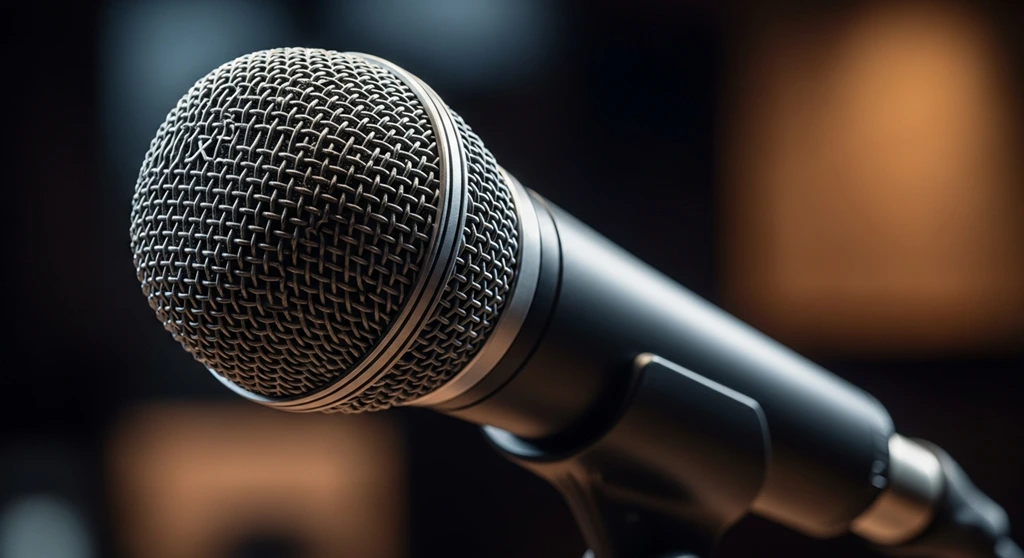
The microphone is the most important piece of gear you'll buy. It captures your voice, sets the tone of your recordings, and decides what kind of room you can actually record in. There are 4 main types, and each has a job to do.
Dynamic Microphones
Dynamic mics are tough, affordable, and great at rejecting background noise. They're the go-to choice for live performance and any home studio that hasn't been acoustically treated.
- Shure SM58: The industry standard for live vocals. Around $100 and basically indestructible.
- Shure SM7B: A studio favorite used by Michael Jackson, Taylor Swift, and tons of podcasters. Around $400. Needs a strong preamp or a Cloudlifter to push enough gain.
- Sennheiser e835: A solid alternative to the SM58, often cleaner sounding with a slight high-end lift.
If you want to compare these in detail, check out our full guide on Best Dynamic Microphones for Singers.
Condenser Microphones
Condenser mics are more sensitive and capture more detail. They're the studio standard, but they pick up everything in the room, so you need a quiet space.
- Audio-Technica AT2020: Around $100, a perfect first condenser.
- Rode NT1 (5th Gen): Around $270, has both XLR and USB connections. Insanely quiet and detailed.
- Neumann TLM 102 / TLM 103: $700 to $1,200. Pro-tier sound for serious recording.
For deeper picks, see our Best Condenser Microphones for Singers review.
USB Microphones
USB mics plug straight into your computer. No interface needed, no cables to mess with. Great for beginners, podcasters, and anyone who wants to record fast.
- Samson Q2U: Around $100, the famous one. Solid for cover songs and starter recordings.
- Rode NT-USB+: Around $170, much better preamp than the original.
- Shure MV7+: Around $280, has both USB and XLR, so you can grow into it.
We've put together a full Best USB Microphones for Singers buying guide if you want more options.
Wireless and Live Microphones
For live performance, you'll either want a high-quality wired dynamic or a wireless system.
- Shure BLX24/SM58: Around $400, a reliable wireless setup with a familiar capsule.
- Sennheiser EW 100 G4: Around $700, broadcast-quality wireless used by pros.
- Neumann KMS 105: Around $700, a handheld condenser made for live vocals when sound quality really matters.
You can find any of these mics through Zzounds; they often run payment plans that split big purchases over 4 to 12 months with no interest, which helps if you want pro gear without paying up front.
For more, read our Best Live Singing Microphones guide.
Audio Interfaces
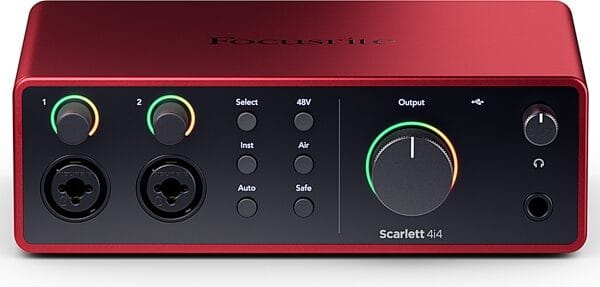
If you're using an XLR microphone (which means most of the good ones), you need an audio interface. The interface is the box that turns your analog mic signal into digital audio that your computer can record.
The best beginner-friendly options:
- Focusrite Scarlett Solo (4th Gen): Around $130. One mic input, one instrument input, super easy to use.
- Focusrite Scarlett 2i2 (4th Gen): Around $200. Two inputs, perfect if you ever want to record vocals and guitar at the same time.
- Universal Audio Volt 2: Around $200. Built-in vintage preamp mode that adds a touch of warmth to vocals.
What to look for:
- At least one mic input with phantom power (48V)
- USB-C or USB connection
- Direct monitoring with zero latency
- Solid preamps (Focusrite and UA both deliver here)
You can grab any of these from Zzounds, and they often bundle interfaces with a free DAW license, headphones, or cables.
Full breakdown in our Best Audio Interfaces for Singers review.
In-Ear Monitors for Live Singers
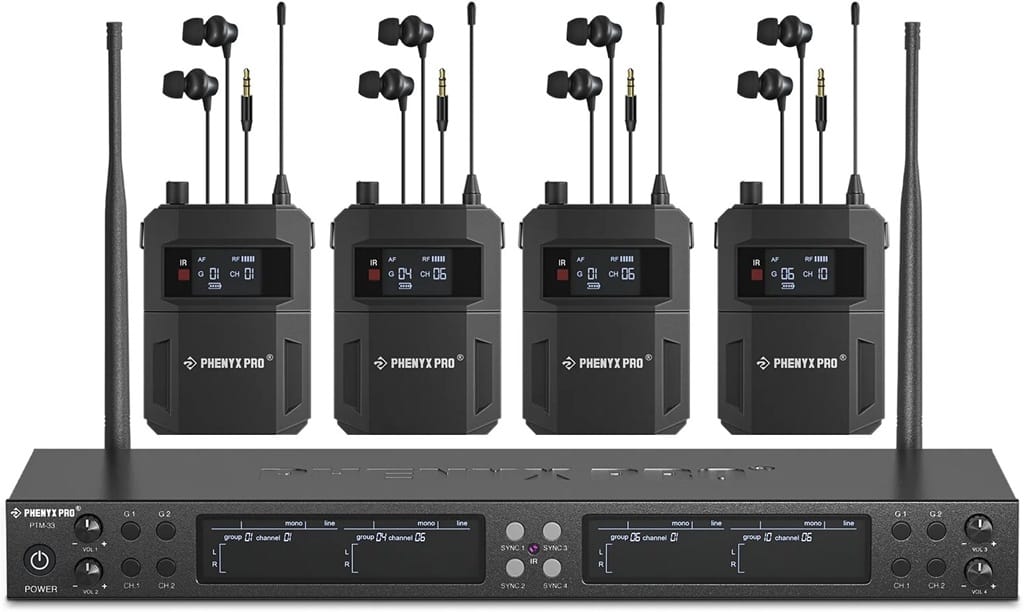
If you sing live, you'll eventually need in-ear monitors (IEMs). They replace floor wedges, give you a clean mix on stage, and protect your hearing.
Top tiers:
- Shure SE215 (Beginner): Around $100. Great starter IEMs.
- Shure SE425 (Intermediate): Around $300. Dual drivers, much more detail.
- Phenyx (Pro): $500. Used by working pros.
Pair them with a wireless system like the Shure PSM 300 ($700) or the Sennheiser XSW IEM ($600) for full stage freedom.
Detailed comparison in our Best In-Ear Monitors for Singers review.
Singing Apps and Software
Singing apps let you practice anywhere, train your ear, and track real progress.
- EarMaster: The world's best ear training and sight-singing software. Used by music schools everywhere.
- Singing Carrots: A complete singing platform with pitch monitor, range testing, and theory tools (some of it free).
A great app, used 15 minutes a day, will improve your voice faster than any piece of gear.
Karaoke Machines and Home Practice Systems
Karaoke machines aren't just for parties. They're a great way to practice singing along with backing tracks at home.
- Vocopro Karaokepal: Around $90. Classic CDG karaoke machine with a built-in screen.
- Gemini GPK-800: Around $200. Streams from your phone or tablet.
- VocoPro Wedding-Singer: Around $700. Bluetooth and rechargeable; fun for kids and adults.
For more serious vocalists, a karaoke machine isn't really an "equipment" purchase; you're better off with a real mic, an interface, and backing tracks from YouTube or Karaoke Version. But if you want a fun system for the whole family, our Best Professional Karaoke System guide has you covered. Or check out our review of the Best Portable PA Systems.
Recording Software (DAWs)
A DAW (Digital Audio Workstation) is the software you use to record, edit, and mix vocals.
- Reason Studios: $500, one-time payment. Industry standard for vocal-led music.
- Fender Studio: $99 to $200 depending on version. Great for electronic and pop production.
- Avid Pro Tools: $200-$600. The pro studio standard.
- FL Studio: $99 to $499. Heavy in hip-hop and pop production.
Most audio interfaces, including Focusrite and PreSonus, come with a free DAW license bundled in, so you might already own one without realizing it.
Full reviews live in our Best DAWs for Beginners guide.
Headphones for Singers
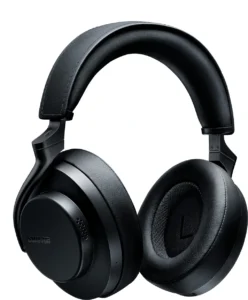
Singers need 2 different jobs (tracking and mixing) out of headphones, and one pair rarely does both well.
Closed-Back Headphones (for Tracking)
Closed-back headphones seal your ears off so the click track or backing track doesn't bleed into your mic. These are what you wear while you're actually singing.
- Audio-Technica ATH-M50x: Around $170. The most popular tracking headphones in the world for a reason.
- Sony MDR-7506: Around $100. A studio classic; you've probably seen them in every recording session video on YouTube.
- Beyerdynamic DT 770 Pro: Around $180. Comfortable for long sessions and a slightly bigger sound.
Open-Back Headphones (for Mixing)
Open-back headphones let air through, which gives you a more natural, accurate sound. Use these only when you're mixing, never when recording.
- Sennheiser HD 600 / HD 650: $300 to $500. Reference quality.
- Beyerdynamic DT 990 Pro: Around $180. Bright but detailed.
- AKG K712 Pro: Around $400. Wide soundstage, great for vocal placement in a mix.
If you only buy one pair, get a closed-back. You can mix on closed-backs in a pinch; you can't track on open-backs because the sound bleeds straight into your mic.
Read our full Best Headphones for Singers review for a deeper comparison.
Studio Monitors
Studio monitors are speakers built for accuracy. Regular consumer speakers boost the bass and treble to sound exciting, which makes mixes you do on them sound terrible everywhere else. Monitors give you a flat, honest sound.
Top picks at each level:
- PreSonus Eris 3.5 (Beginner): Around $130 for the pair. Great for a tiny home setup.
- KRK Rokit 5 G4 (Intermediate): Around $200 each. The most popular monitor on the planet.
- Yamaha HS5 (Pro Entry): Around $250 each. The white-cone classic. Honest, sometimes brutal.
- Adam Audio T5V (Pro): Around $300 each. Detailed top-end, perfect for vocal mixing.
Buy them in pairs (left and right). Always.
Get specifics and pair recommendations in our Best Budget Studio Monitors guide.
Our recommendations for Best In-Ear Monitors for Singers.
Microphone Stands, Pop Filters, and Reflection Shields
These accessories are easy to skip, but skipping them is a mistake.
Microphone Stands
A weak stand is a nightmare. Mics droop, you reposition every 5 minutes, and the noise of the stand creaking into your mic ruins takes.
- Boom arm (recommended for home studios): A desk-mounted boom keeps your mic out of the way and is easy to position. The Rode PSA1+ is around $150 and built like a tank.
- Tripod stand with boom: On-Stage MS7701B for around $35; Hercules MS533B for around $80 if you want premium.
Pop Filters
A pop filter blocks the puff of air from "p" and "b" sounds that make recordings sound like a kid blowing into a phone. Get one. They're cheap.
- Foam pop filters: $10
- Mesh pop filters: $20 to $40 (better)
- Metal pop filters (Stedman Proscreen XL): $50, basically the gold standard
Reflection Shields
If your room is untreated and echoey, a reflection shield wraps around the back of your mic to absorb reflections. The sE Electronics Reflexion Filter Pro is the most respected, but cheaper options like the Aston Halo Shadow work well too.
You can find the Best Looper Pedals and every accessory above on Zzounds without overpaying.
Want more detail? Read Best Pop Filters, Reflection Shields, and Microphone Stands for Home Studios.
Vocal Effects and Processors
Live vocal effects can take a basic show and turn it into something special. They add reverb, delay, harmonies, and pitch correction.
- ZoomV3: Around $270. Easy harmonies, reverbs, and effects.
- HeadRush CoreMulti-FX: Around $650. Pro-level vocal processor.
- Boss VE-2: Around $275. Reliable and simple, great for solo performers.
- Boss VE-500: Around $525. Great for keyboard players who sing.
Studio plugins are a different conversation. Tools like Antares Auto-Tune, Waves Tune Real-Time, Melodyne, and FabFilter Pro-Q 3 live inside your DAW and run the show in modern vocal production.
See our Best Vocal Effects Processors guide for the full lineup.
Vocal Health and Practice Tools
Your voice is your instrument. Take care of it.
- Personal steam inhaler (MyPurMist or Vicks V1200): $30 to $130. Steam soothes and hydrates vocal cords.
- Cool mist humidifier: $40 to $80. Use in your bedroom every night, especially in winter.
- Stainless steel water bottle: $20 to $40. Keep water with you all day, every day.
- Vocal cord lozenges (Grether's Pastilles): $15 a tin. Beloved by Broadway and pro singers.
- Throat coat tea (Traditional Medicinals): $5 a box. Soothes a tired throat fast.
- Vocal warm-up cards or apps: Various prices. Help you build a daily routine.
Our Reviews of the Best Throat Lozenges for Singers and Best Tea for Singers.
If your voice is the engine, vocal health gear is the oil change. Read more in our complete How to Keep Your Voice Healthy guide. (Coming Soon)
How to Build a Home Vocal Studio on Any Budget
Here's how to put it all together. These are real, working setups, not theoretical lists.
The $200 Starter Setup
- USB microphone (Audio-Technica AT2020USB-X or Rode NT-USB Mini)
- Free DAW (GarageBand or Cakewalk)
- Closed-back headphones (Sony MDR-7506)
- Free phone-as-pop-filter trick (or grab a $10 foam filter)
Total: about $200. Good enough to record cover songs and demos.
The $700 Intermediate Setup
- Audio-Technica AT2020 condenser mic ($100)
- Focusrite Scarlett Solo interface ($130)
- Audio-Technica ATH-M50x headphones ($170)
- Rode PSA1+ boom arm ($150)
- Pop filter ($20)
- XLR cable ($20)
- Free DAW + bundled DAW from Focusrite
Total: about $700. Enough to release a polished single.
The $2,500 Pro Home Setup
- Shure SM7B or Rode NT1 5th Gen ($400)
- Universal Audio Volt 2 or Apollo Solo ($200 to $700)
- Beyerdynamic DT 770 Pro tracking headphones ($180)
- Sennheiser HD 600 mixing headphones ($400)
- Yamaha HS5 monitors (pair, $500)
- Boom arm, stand, pop filter, reflection shield ($300)
- Logic Pro or Ableton Live ($99 to $200)
- Online singing course like Singing Academy or The Vocalist Studio ($150 to $500)
Total: about $2,500. Pro-quality recordings from your bedroom or basement.
For deeper builds, see the full guide, How to Build a Home Vocal Studio. (Coming Soon)
Where to Buy Singing Equipment
For physical gear (mics, interfaces, headphones, monitors, accessories), Zzounds is one of the most singer-friendly retailers in the U.S. They have a huge selection, free shipping, and a payment plan that splits gear into 4 or 12 interest-free payments. That's huge if you want pro gear without dropping $1,000 in one shot.
FAQ
What's the most important piece of singing equipment to buy first?
A microphone, every time. Even a cheap USB mic is a better first purchase than a $1,000 audio interface or studio monitors. Once you have a solid mic, build out from there.
Do I need an audio interface, or can I use a USB mic?
USB mics are great for getting started. They skip the audio interface and plug straight into your computer. But once you're recording seriously, an XLR mic plus an audio interface gives you better sound quality, more flexibility, and an upgrade path.
What's the difference between a condenser and a dynamic microphone?
Condenser mics are more detailed and sensitive. They're best for treated rooms and softer voices. Dynamic mics are tougher and reject more background noise. They're best for untreated rooms and louder voices.
Can I really record professional vocals at home?
Yes. Tons of hit records are tracked in bedrooms and basements. The mic, the interface, and your room treatment matter way more than how big the studio is.
Do I need expensive gear to sound good?
No. Vocal technique, room sound, and good mic placement matter more than the price tag. A $100 mic in a quiet room beats a $1,000 mic in a noisy room every time.
How much should I spend on my first home vocal setup?
You can start at $200 with a USB mic and headphones. A solid intermediate setup runs $700. Pro home setups land between $2,000 and $3,000.
Should I buy used or new?
Both can work. Mics, interfaces, and monitors hold up well used. Just avoid used headphones (hygiene) and used cables (often the source of issues). Zzounds sells new gear with payment plans, which often beats the used market on value.
Final Thoughts
Honest singing equipment reviews matter because the wrong gear can make a great singer sound average, and the right gear can take an average bedroom recording and turn it into something special. You don't need to buy everything at once. Start small, learn your voice, build your room, and upgrade as you grow.
Use this page as your home base. Bookmark it. Each section above will keep getting deeper as we publish full review articles for every category, from microphones to courses to studio monitors. And if you only take one thing from this guide, take this:
The fastest way to better recordings isn't more gear. It's better technique. Programs like Singing Academy by Roger Love, Singorama, 30 Day Singer, The Vocalist Studio by Robert Lunte, and Singing Carrots will train your voice faster than any microphone ever could. You can find these in our Singing Course Review.
Pair good training with the right gear, and you'll start sounding like the version of yourself you've always wanted to hear.