
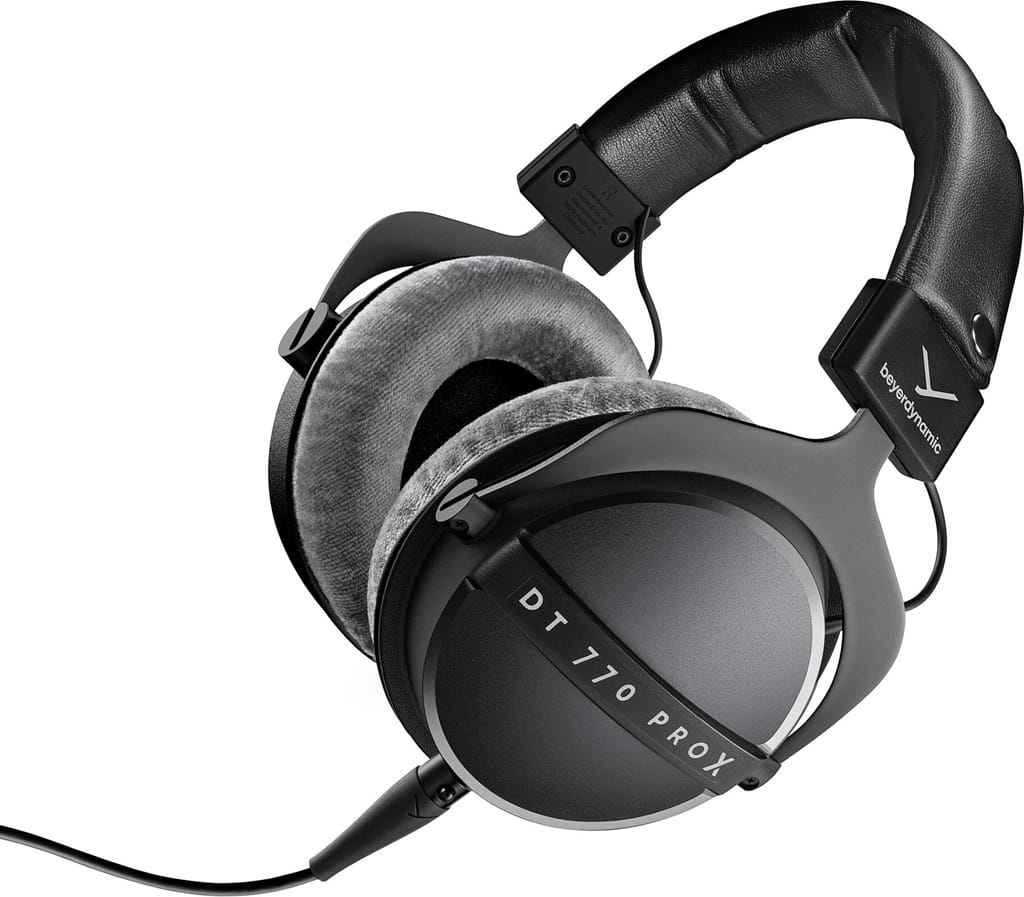
The best headphones for singers recording vocals are the Sennheiser HD 280 Pro, the Shure SRH440A, the Audio-Technica ATH-M50x, and the Beyerdynamic DT 770 PRO X, all closed-back models chosen specifically for how well they work when a microphone is open and recording in the same room as your headphones. That last part matters a lot, and most headphone guides skip it entirely.
This article is written for singers, not audiophiles. A singer using headphones in a recording session has a very different set of concerns than someone listening to music on a couch. The headphone tips you'll see on most audio sites focus on frequency response, driver size, and comfort, all of which matter. But they rarely address the one issue that makes headphone choice unusually important for vocal recordings: bleed.
The Problem Nobody Talks About: Headphone Bleed
Here is something that catches a lot of singers off guard when they start recording at home. When you wear headphones and sing into a microphone, the music playing through those headphones can leak out of the earcups and get picked up by your microphone. This is called headphone bleed, or headphone spill.
The result is a faint, tinny version of your backing track layered onto your vocal recording. You might not notice it while you're tracking, but once you pull up the raw vocal file in your DAW, it shows up clearly, especially during quiet passages or held notes.
Bleed is worse when:
- You record with a condenser microphone, which picks up more ambient sound than a dynamic mic
- You turn up your headphone mix loud because you can't hear yourself well
- You use headphones with poor sound isolation that lets a lot of audio escape the earcups
- Your recording space is small and reflective, which amplifies everything
The fix is simple but often missed: use closed-back headphones with strong passive isolation. Closed-back means the back of each earcup is fully sealed rather than open or vented, which keeps sound from escaping into the room. The more isolation, the less bleed. Every headphone in this guide is closed-back for exactly this reason.
Open-back headphones sound more natural and spacious for mixing, but they're essentially a bleed machine in a recording session. Save them for when the microphone is off, and you're reviewing takes.
The experts at Sound On Sound magazine cover this distinction in depth; their technical writing on headphone types and studio monitoring is worth bookmarking if you want to go deeper on studio acoustics.
What Specs Actually Matter for Vocal Tracking
Forget about "soundstage" and "imaging" for a moment. Those matter more for listening than recording. Here's what actually affects your experience as a singer wearing headphones while tracking:
Passive isolation: Measured in dB of attenuation. The higher the number, the less of your headphone mix bleeds into the mic. Aim for at least 25 dB.
Impedance: Measured in ohms. Lower impedance (32 to 48 ohms) means your audio interface headphone output can drive the headphones to a useful volume without needing a separate headphone amplifier. Higher impedance (150 to 250 ohms) may be quieter at the same volume knob position. Your audio interface matters here; most modern interfaces handle 32 to 80 ohm headphones easily.
Frequency response neutrality: For tracking, a relatively flat response helps you hear your pitch accurately without your headphones making you sound better (or worse) than you actually are. Headphones with an exaggerated bass bump or hyped high end can fool you into a performance that doesn't translate well on playback.
Earcup depth and clamping force: You're wearing these while physically singing, which means breathing deeply, moving your head, and sometimes getting emotionally involved in a take. Headphones that clamp too hard press painfully on your jaw hinge after 30 minutes. Deep earcups that sit around your ears rather than pressing on them last longer in a session.
Detachable cable: In a live room environment, cables get stepped on, snagged, and yanked. A detachable cable means a broken cable doesn't end your session; you just swap in a spare.
Quick Comparison Table
| Headphone | Price | Impedance | Type | Best For |
|---|---|---|---|---|
| Sennheiser HD 280 Pro | $99.95 | 64 ohms | Closed-back | Budget tracking, long sessions |
| Shure SRH440A | $109.00 | 40 ohms | Closed-back | Neutral monitoring, critical editing |
| Audio-Technica ATH-M50x | $159.00 | 38 ohms | Closed-back | Tracking and mixing, proven workhorse |
| Beyerdynamic DT 770 PRO X | $229.99 | 48 ohms | Closed-back | Accurate reference, detachable cable |
You can check current pricing and availability for all four Here!
Top Headphones for Singers Recording Vocals
1. Sennheiser HD 280 Pro (Best Budget Tracking Headphone for Singers)
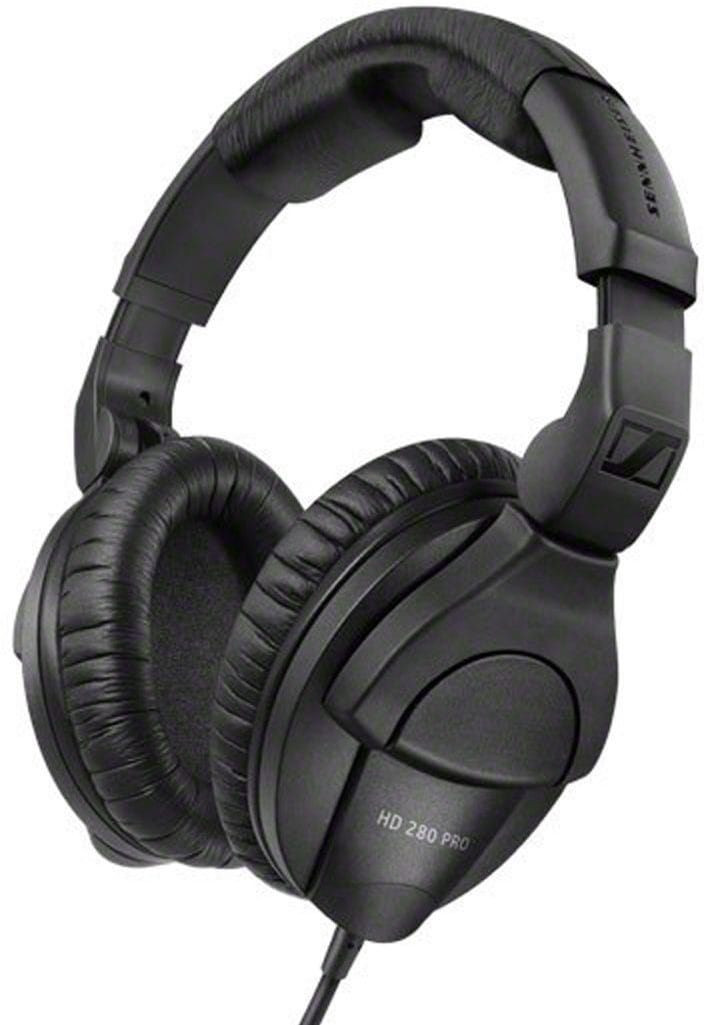
Impedance: 64 ohms
Frequency Response: 8 Hz to 25,000 Hz
Isolation: 32 dB
The HD 280 Pro has been a trusted entry-level tracking headphone in small studios for well over a decade. Zounds staff even mentioned they've had a pair at HQ held together with gaff tape after years of regular use. That kind of longevity tells you something. They're extremely light, which matters a lot when you're wearing them for multiple takes. The 32 dB of passive isolation is real and useful; it's genuinely one of the better isolation numbers you'll find in this price range.
The coiled cable is a slightly polarizing feature. Some singers love it because it extends and retracts cleanly without getting underfoot. Others find the added weight at the end annoying during a session. It's not detachable on this model, so you work with what you have.
There's one spec worth flagging, honestly: 64 ohms impedance is higher than the other headphones in this list. In practice, most modern audio interfaces like the Focusrite Scarlett series can drive them to a workable volume, but you might find you need to push the headphone knob further than you would with a 40-ohm pair. If your interface has a weak headphone output, keep this in mind.
What we love:
- 32 dB of passive isolation is genuinely strong at this price
- Very lightweight; comfortable for long multi-take sessions
- Clear, detailed sound with a slight emphasis on mid-frequencies that actually helps you hear your pitch
- Foldable design; easy to store in a gig bag
- Proven durability; a long track record in home and project studios
Watch out for:
- 64 ohm impedance needs a little more headphone amp headroom than the other picks here
- Fixed coiled cable can feel heavy at the end of long cables
- Not the most isolating option if your partner is blasting the TV in the next room during your session
A verified Zounds staffer called these "super light, great for mixing for long periods of time" after five years of consistent daily use. That kind of real-world longevity is hard to argue with at under $100.
2. Shure SRH440A (Best for Neutral, Accurate Tracking and Editing)
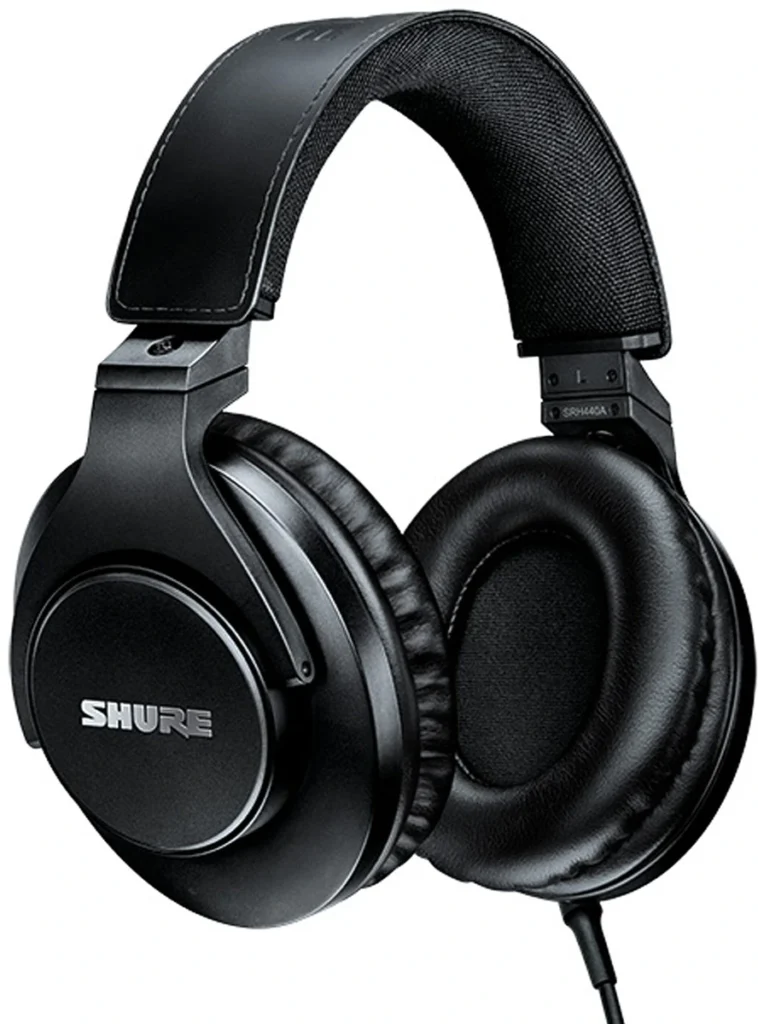
Impedance: 40 ohms
Frequency Response: 10 Hz to 22,000 Hz
Driver: 40mm neodymium dynamic
Cable: Detachable straight cable, oxygen-free copper
The SRH440A is Shure's professional studio tracking headphone, updated from the well-regarded SRH440 with improved materials and a cleaner look. The story here is the sound signature: Shure describes it as "transparent and natural," and that holds up. Earlier versions of this headphone earned a reputation in project studios and podcast setups for delivering an accurate picture of your recording without pushing your voice to sound either bigger or thinner than it actually is. For a singer, that accuracy helps you judge pitch and tone without your headphones lying to you.
The memory foam-filled ear cushions are a meaningful comfort detail. They conform to the shape of your head over a session and provide a solid seal, which helps with isolation, even if Shure doesn't publish a specific dB isolation figure. The detachable cable is a genuine practical upgrade over fixed-cable options; replacement cables and ear cushions are both available directly from Shure, which means these headphones can be maintained and extended well past the point where a cheaper pair would end up in the trash.
What we love:
- Transparent, accurate sound; your voice will sound like your voice, not a flattering version of it
- 40 ohm impedance plays well with virtually any audio interface headphone output
- Detachable straight cable; replaceable if it gets damaged in the session
- Memory foam cushions conform to your head for a better seal over time
- Replacement earpads and cables available separately; genuinely maintainable headphones
- Two-year warranty from Shure
Watch out for:
- This listing has no buyer reviews on Zzounds yet, so there's no crowd-sourced feedback to lean on
- Neutral sound means these won't make a mediocre performance sound exciting; what you hear is what's there
- Shure doesn't publish an exact isolation dB figure for this model
The Open Box option at $83.95 makes this an especially compelling value if the condition doesn't matter as much as the price.
3. Audio-Technica ATH-M50x (Best Mid-Range Studio Workhorse)
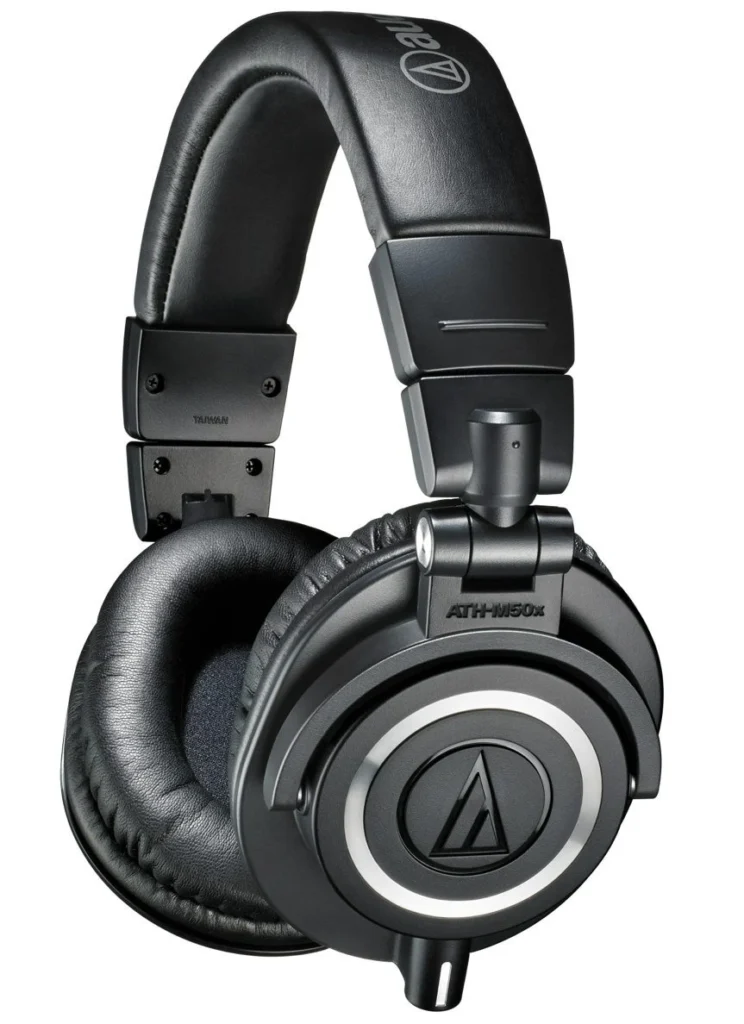
Impedance: 38 ohms
Frequency Response: 15 Hz to 28,000 Hz
Driver: 45mm neodymium
Sensitivity: 99 dB
The ATH-M50x is probably the most talked-about studio headphone in the home recording world. This site listing alone has 16 verified buyer reviews with an average of 5 out of 5 stars, including one from a professional with 40 years in the music business who said flat-out that the M50x "blows them all away" compared to everything else he'd used. That kind of word-of-mouth is earned, not manufactured.
The 45mm drivers are larger than what you'll find in most sub-$200 headphones, and the sound reflects that. You get real low-end extension alongside clear mids and highs. Three detachable cables ship in the box (a 9.8 foot coiled cable, a 9.8 foot straight cable, and a shorter 3.9 foot straight cable), which is genuinely useful in a vocal recording setup where session length and cable routing vary. The 90-degree swiveling earcups let you pull one side off for single-ear monitoring, which some singers prefer when they want to feel the room around them during a take.
One honest flag: a minority reviewer returned them specifically because of what they described as a "major frequency boost in the 2nd EQ band" that made everything sound slightly boxy to their ears. 15 out of 16 reviewers disagreed strongly, but this is the kind of detail worth knowing before you buy, especially if you plan to use them primarily for mixing rather than just tracking.
What we love:
- 45mm drivers give real bass extension and detail; a noticeable step up from 40mm options
- Three detachable cables included out of the box; a practical and unusual bonus
- 90-degree swiveling earcups for single-ear monitoring during tracking
- Proven, consistent track record across years of real buyer feedback
- 38 ohm impedance; works with any interface headphone output without issues
- Foldable design with an included carrying pouch
Watch out for:
- A minority of buyers note the sound signature has a slight low-mid coloration; compare before committing if you plan to mix exclusively on headphones
- Slightly heavier than the HD 280 Pro at 285g without a cable
For a singer who wants one headphone that covers both tracking takes and reviewing them afterward, the M50x is the most versatile pick in this guide.
4. Beyerdynamic DT 770 PRO X (Best for Accurate Reference Monitoring)
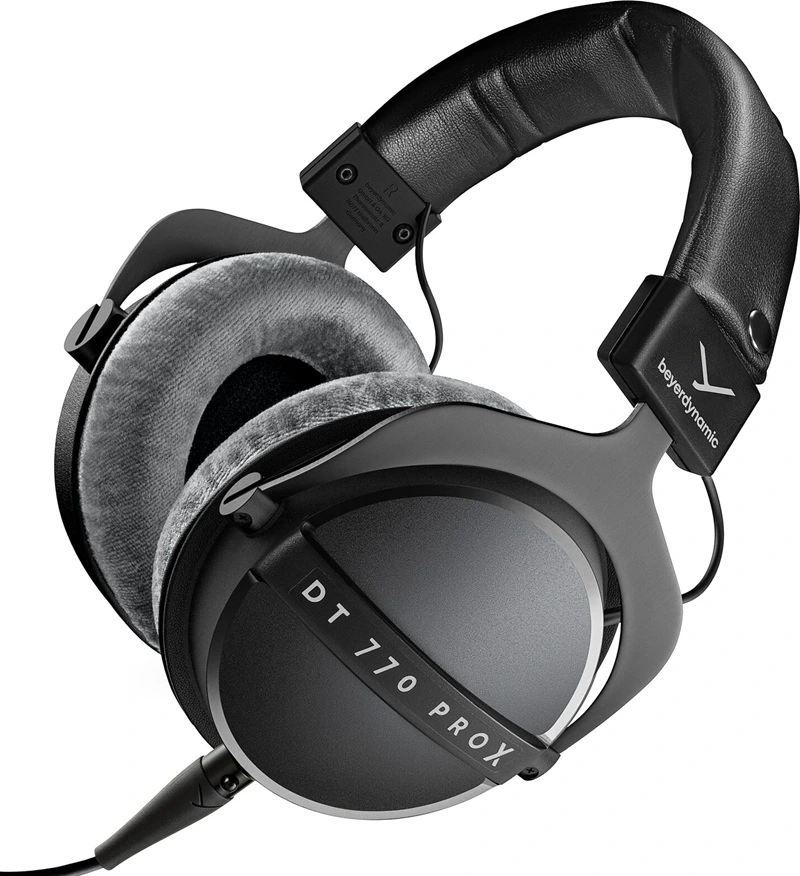
Impedance: 48 ohms
Frequency Response: 5 Hz to 40,000 Hz
Driver: STELLAR.45 (45mm)
Cable: Detachable with mini-XLR connector
Headband Pressure: 5.5N, designed for a firm professional fit
Pads: Velours
The DT 770 PRO X carries on the legacy of one of Germany's most respected headphone lines. The original DT 770 PRO has been trusted in studios worldwide for decades; the PRO X is the current iteration, upgrading to a detachable mini-XLR cable and STELLAR.45 drivers at the same familiar acoustic signature: powerful and tight bass, detailed and airy highs, and a generally honest midrange.
Velour earpads are a specific design choice that matters for singers. Pleather (faux leather) earpads seal tightly but get warm and sweaty during a long session, which becomes uncomfortable if you're recording across multiple takes for an hour or more. Velour breathes better. Combined with the firm but even 5.5N headband pressure and the lightweight 305g build, these are built specifically for sustained professional use rather than casual consumer listening.
A verified buyer from November 2025 who already owned Beyerdynamic DT 880 open-backs for editing called the 770 PRO X "an amazing lightweight set for mixing" with "a nice, clean, and clear sound that is dead on" and said he planned to buy additional pairs for other stations in his studio. That's the exact kind of practical professional endorsement that matters.
What we love:
- STELLAR.45 drivers cover 5 to 40,000 Hz; real technical headroom above what you can hear
- Detachable mini-XLR cable; replaceable and upgradeable
- Velour earpads breathe better than pleather during long takes; genuinely better for vocalist comfort
- Made in Germany; consistent build quality with a track record spanning decades
- Compatible with Beyerdynamic's Headphone Lab DAW plug-in for crossfeed simulation
- Firm, even headband pressure keeps them on your head during active singing without clamping your jaw
Watch out for:
- 48 ohm impedance; most interfaces handle this easily, but check your headphone output if in doubt
- $229.99 is a meaningful jump over the M50x; the flat response benefits matter more for critical mixing than casual tracking
- Mini-XLR connectora are less universally available for off-the-shelf cable replacements than standard 3.5mm connectors
If you want the most accurate, reference-grade pair in this lineup and plan to use them both for tracking and for genuine mix decisions, the DT 770 PRO X delivers that capability.
What About IEMs Instead of Headphones?
In-ear monitors (IEMs) are an alternative worth knowing about. They sit inside your ear canal rather than over it, and they can offer exceptional isolation, sometimes 25 to 37 dB or more, in a much smaller package. Some singers prefer them during tracking because there's no risk of them shifting when you move, and there's less physical bulk on your head.
The tradeoff is personal: many singers find the deep-insert fit of IEMs fatiguing over long sessions, or prefer the sense of space that over-ear headphones give them when listening to a mix. If you want to explore IEMs as an alternative, our Best In-Ear Monitors for Singers guide covers the full range from budget to premium options, including several that are purpose-built for stage and studio use.
Tips for Better Vocal Recordings (Whatever Headphones You Use)
Getting good isolation from your headphones is one piece of the puzzle. Here are a few more habits that reduce problems at the source:
- Keep your headphone mix at a reasonable level. The louder your mix is playing in the headphones, the more bleed reaches the mic. Find the lowest level at which you can still track comfortably; your engineer can always turn it up in the control room.
- Use a dynamic microphone if bleed is a serious problem. Dynamic mics are significantly less sensitive to ambient sound than condensers. See our [Best Dynamic Microphones for Singers](best-dynamic-microphones-for-singers) guide for options that are specifically suited to home vocal recording.
- Position the microphone carefully. A cardioid mic picks up mostly from the front and rejects sound from the rear. Pointing the rear of the mic toward your headphones rather than the other way around reduces how much bleed gets picked up.
- Close the door. Seriously. Even with great headphones, recording in a quieter space reduces the ambient noise that gets captured along with your voice.
- Use the right software to review your takes. Listening back in a good DAW tells you immediately if headphone bleed is showing up on your tracks. See our Best DAWs for Recording Vocals guide for software that makes this kind of post-session review clear and easy.
For the complete picture on building a recording setup that works, our Singing Equipment Reviews Guide maps out every piece of gear you'll need and how they all fit together.
Frequently Asked Questions
What is the best headphone for recording vocals at home?
The Audio-Technica ATH-M50x is the best all-around pick for most home recording singers. It balances good isolation, accurate sound, three detachable cable options, and a strong real-world track record at a mid-range price. Budget singers who want strong isolation for less should look at the Sennheiser HD 280 Pro.
Do I need closed-back headphones for recording vocals?
Yes. Closed-back headphones are essential for recording because they prevent the music in your headphones from leaking into the microphone and contaminating your vocal track. Open-back headphones sound more natural for listening, but they cause headphone bleed in a recording environment.
What is headphone bleed in vocal recording?
Headphone bleed (also called headphone spill) is when the music playing through your headphones leaks out of the earcups and gets picked up by your open microphone. It shows up on your vocal recording as a faint, tinny version of the backing track underneath your voice. Closed-back headphones with strong passive isolation minimize this problem.
Does impedance matter for headphones used with an audio interface?
Yes, practically. Most audio interfaces have headphone outputs optimized for 32 to 80 ohm headphones. Lower impedance headphones (38 to 48 ohms, like all the picks in this guide) get to workable volumes easily on a standard interface. The Sennheiser HD 280 Pro at 64 ohms is slightly on the higher end, but still works fine with most modern interfaces.
Can I use headphones for mixing as well as tracking?
Yes, and many home studio singers do exactly that. The ATH-M50x and DT 770 PRO X are both regularly used for mixing as well as tracking. The key is to reality-check your mixes on speakers or other headphones at some point; any single pair of headphones has a particular sound that you can unconsciously compensate for over time.
Are velour pads better than pleather for singers?
For long sessions, yes. Velour pads breathe better and don't trap heat the way pleather does. After 45 to 60 minutes of continuous tracking, velour is noticeably more comfortable. The Beyerdynamic DT 770 PRO X uses velour. The other three picks in this guide use padded pleather or memory foam, which is fine for most session lengths but may get warmer over time.
Are open-back headphones ever useful for singers?
After the session, yes. Once your microphone is off and you're sitting at your desk reviewing takes, editing, or simply listening back, open-back headphones offer a more natural and spacious sound. Many singers and producers keep both types: closed-back for tracking, open-back for the editing and listening phase.
Final Picks
Best headphones for singers recording vocals, by budget and need:
- Best Budget Tracking Headphone: Sennheiser HD 280 Pro
- Best for Neutral, Accurate Sound: Shure SRH440A
- Best All-Around Workhorse: Audio-Technica ATH-M50x
- Best Reference Monitoring Headphone: Beyerdynamic DT 770 PRO X
The single most important thing: whatever headphone you choose, make sure it's closed-back and has genuine passive isolation. Everything else (frequency response, cable type, build material) is secondary to that one requirement for recording. A pair that leaks will cost you time, takes, and sometimes a whole session when the bleed shows up in playback and forces you to re-record.
For the complete home recording setup, pair your headphones with the right microphone (see our Best Microphones for Singers guide), a quality interface (see our Best Audio Interfaces for Home Vocal Recording guide), and strong software (see our Best DAWs for Recording Vocals guide). Everything works together, and each piece in the chain matters.
The full picture, including microphones, interfaces, headphones, IEMs, and training tools, lives in our Singing Equipment Reviews guide.