
Robert Lunte: The Vocalist Studio Review
What if the fastest way to sing better isn’t more songs, but better mechanics?
In this Robert Lunte: Vocalist Studio review, we explore a unique platform. It's not like most online singing lessons. Vocalist Studio is a full vocal training system, not just random tips.
Robert Lunte focuses on technique, anatomy, and drills. This makes learning feel dense at first. If you like clear rules and measurable practice, you might enjoy this.
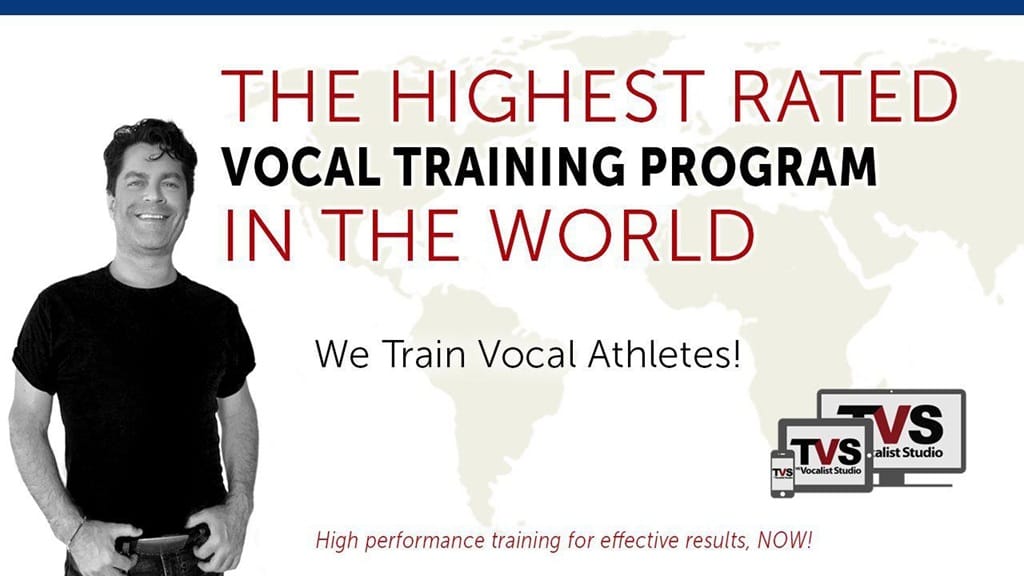
Vocalist Studio claims to be the “highest-rated voice training method worldwide.” It has support from thousands of students and voice coaches. In this review, we will see if it lives up to its claim.
We will look at the depth of instructions and the learning curve. Plus, we will see how support access to Robert Lunte works.
What You Get With Robert Lunte’s Vocal Training Platform
This platform is perfect for those who want a structured vocalist studio. It offers a clear path to improve your singing voice through structured practice. You won't find random tips here.
Proprietary methodology developed over the last 20 years
You're not just buying a video library. You're getting a system shaped over 20 years by vocal coach Robert Lunte. It's built with concepts that stack and repeat for long-term progress.
This design is key because your ear and body need consistent cues. The goal is to build Vocal Technique you can recall on demand, even under pressure.
Designed for serious vocal students who will commit time and energy
This training requires focus. Reviews often mention that “The 4 Pillars of Singing” takes a lot of time and energy. If you watch closely, take quizzes, and keep showing up, you will hear results.
You may need to slow down at times. The payoff comes when you revisit lessons and drill the same targets until they feel natural.
Built around technique, anatomy, and repeatable training—more like a sport than a “quick tip” course
The approach treats singing like an athletic training regimen. You learn how coordination, airflow, and resonance work together. Then, you practice those moves until they hold up.
Many students highlight the detailed explanations of anatomy and physiology. This "how and why" helps you self-correct and refine your vocal technique. It also boosts your confidence as you improve your singing voice.
Vocalist Studio Course Size, Modules, and Lesson Breakdown
If you like structure, this vocal training platform has it in spades. You're not getting a small set of singing lessons. Instead, you're diving into a detailed system for study, practice, and review.
177 lessons across 14 modules (lecture modules + training modules)
You will get 177 lessons across 14 modules. This makes it one of the biggest programs in online singing lessons. The lessons start with lectures, then move to training, so you learn before you practice.
This approach feels like a class, not just a casual drop-in. It helps you understand the "why" behind each skill.
Category-based modules (not organized by difficulty level)
Modules are grouped by category, not by skill level. You will find topics like physical modes, acoustic modes, vocal effects, and onsets. This keeps your focus on specific skills, not just your level.
This setup is great for troubleshooting. You can quickly find the right module for your current issue, even if you're taking other lessons too.
Short training clips (often 2–3 minutes) that you may rewatch to absorb details
Many training videos are short, lasting 2–3 minutes. But they're full of information. You might watch the same clip several times to get it right.
If you prefer quick drills and focused practice, this format is perfect. It lets you make the most of short practice sessions, keeping you on track with the course.
User Experience and Website Navigation for Online Singing Lessons
Choosing online singing lessons means the platform is almost as important as the lessons themselves. Vocalist Studio offers a vast library, but this can affect how the site feels at first.
When you start, you might see a lot at once. Many lessons are shown on one page.
The Interface can feel difficult to navigate at first
At first, navigating Vocalist Studio can feel like entering a crowded room. There are many tools and lessons to choose from.
The trade-off is clear: quick access to lots of content, but less help. Some sites might look more polished, making it easier to use, even if the lessons are simpler.
Workflow guides exist, but can be a bit confusing early on
There are guides to help you navigate through lessons and drills. They aim to help you create a routine, linking lessons to daily practice.
User-friendly site feedback appears in student reviews, alongside notes about a learning curve
Student feedback shows two sides. Some say the site is easy to use and intuitive once you get used to it.
Others mention a learning curve. If you prefer structure, it helps to choose a path, keep notes, and treat each session as focused practice, not just browsing.
Lecture Module: Deep Vocal Technique, Anatomy, and Pedagogy
The lecture modules dive deep. You learn how your voice works with clear terms. This is where the Robert Lunte methodology focuses on anatomy and habits for real vocal training.
Success factors like consistency and smart intensity are key. You build a framework for vocal technique to test each session. If you've worked with a vocal coach, this part explains the "why" behind their advice.
Vocal modes are explained in physical and acoustic terms. You learn how body changes affect sound. This helps connect sensation to tone, making your training repeatable.
The lectures also dive into vibrato with detailed explanations. You'll get clear, physiology-first explanations that lead to quick "aha" moments. The Robert Lunte methodology sees these effects as skills to train, not mysteries.
Onsets are a core tool for building the voice. Many learners find them the most effective exercises. Watching everything straight through can be overwhelming, so plan your path to absorb the vocal technique.
Training Modules: Exercises That Target Range, Strength, and Control
The training side is like a gym for your voice. You practice until you see results in sound and feel. This way, you can track your progress every week.
Each drill is short and easy to repeat. This helps you stay consistent in your training.
Warm-ups, onsets, and sirens
Warm-ups wake up your coordination gently. Onsets focus on starting your tone cleanly. Sirens help smooth out transitions while keeping your sound steady.
These exercises might seem simple, but they require control. With practice, you will get better at singing longer.
Bridging and connecting through the break/passaggio with vowel modification
Working on the break is a big achievement. You practice connecting smoothly through it with vowel changes. This makes high notes easier to hit.
You also learn to keep your voice strong above the break without straining. This skill helps you perform better in real shows.
Articulation and efficient practice habits
Articulation drills improve your diction without straining your jaw or tongue. You learn to keep consonants clear while vowels stay open. This helps with fast songs and complex lyrics.
Practice habits are as important as technique. You're taught to work in short sessions, track changes, and stop before getting tired. This is key in professional voice training.
How demonstrations tie back to lecture concepts so you can hear the technique in real time
In demonstrations, Robert Lunte points out what you're hearing. He shows how the sound changes with vowel modifications. This helps you connect lecture ideas to actual sounds.
With time, your voice training feels like weightlifting. You'll notice improvements in your head voice. This hands-on feedback makes the training practical for improving your singing.
Who This Professional Voice Training Fits Best (and Who It Doesn’t)

If you like structure and don't mind doing the work, this training is for you. You will learn how the voice works and then practice. It's like a training program, not just casual singing lessons.
Best for singers who want in-depth vocal training and technical detail
It is great if you want to learn about anatomy, acoustics, and skill-building routines. The lessons focus on vocal technique you can test and track. If you think like a student-athlete, you will find the pace good.
It works for people of many ages and locations, whether you are 18 or 57, in the United States or from outside the U.S.
Not ideal if you want a seamless interface or quick singing lessons
If you expect a polished start path with smooth navigation, you might get frustrated. Reviews say pages can feel dense, with many items to scan. You can move forward, but it may take patience to learn the layout.
This isn't for fast, surface-level singing lessons. The platform is for studying, practicing, and revisiting ideas, not just grabbing quick tips.
May feel too technical for novices unless you’re willing to review and repeat lessons
If you are new, the language might feel heavy at first. You might need to pause, rewind, and rewatch to catch each exercise. This repetition is where many find "another nugget" the second or third time.
If you prefer direct guidance, having a vocal coach can help. With their support, the technical material becomes easier, and your goals stay clear as you build habits.
Results You Can Expect When You Train Consistently

If you show up and practice with focus, you’ll start to notice patterns in your voice. This makes tracking your singing lessons progress easier. You can connect what you feel to what you hear.
Over time, the goal is simple: improve singing voice habits that hold up under real songs, not just drills.
Common changes singers report with steady practice
With consistent work, many students describe better range in both directions. They also mention less throat squeeze and a stronger head voice. This makes high notes feel less like a gamble and more like a choice.
These vocal training results also show up as cleaner transitions through your break. You get more control on tough lines. As your vocal technique improves, you may find you can repeat good takes more often instead of “getting lucky” once.
Learning how to troubleshoot your own voice
A big shift comes when you understand the “how and why” behind the sound. Instead of guessing, you start to self-diagnose problems like strain, breath leaks, or pitch drift. Then, you adjust in real time.
That kind of awareness turns practice into a feedback loop. Your vocal technique becomes something you can test, refine, and build when a song exposes weak spots.
What realistic timelines can look like
Some people report changes after a month, while others notice clear improvement in the second month. You will also hear the 90-day window mentioned often, but only if you do the work and stay consistent.
Longer gains tend to stack after about 6 months, and many singers describe a bigger shift after 1 year. The strongest singing lessons progress usually comes from close attention, rewatching key clips, taking quizzes, and repeating the training until it locks in.
Support Options: Live Chat, Email Help, and Direct Access to a Vocal Coach
When you're deep in drills, support is as important as the lessons. In this vocal studio, you're not left wondering when a sound feels off or a cue doesn't click.
Students mention fast replies and personal support
Many singers praise quick, clear replies from Robert Lunte. You can email questions as they come up. This makes the training feel guided, not isolated.
This kind of support is great when working on coordination, airflow, or resonance. You need a simple correction in plain language.
Live chat and responsive guidance
The platform also has a live chat tool. You can message directly inside the vocal studio. Reviewers often say this is more hands-on than many online programs.
If you're used to buying courses with no real access, this level of support can change your practice. It makes it feel steadier week to week.
Ways to get unstuck on technique
When you hit a wall—like a rough bridge, a tight onset, or a stubborn vowel shift—you have options. You can ask for direction. Some students also mention a private feedback and Q&A space, including Saturday sessions, for accountability and ongoing coaching touchpoints.
Instead of restarting lessons at random, you can use that feedback. It helps you narrow the issue and keep your reps focused.
Onboarding and Coaching Add-Ons: Zoom Call and Private Lessons
Want a smoother start? Vocalist studio onboarding offers an optional Zoom call with Robert Lunte. It costs around $40 and is a great value for quick orientation.
Get the most from the call by exploring the site first. Note what's unclear. Ask direct questions about starting, navigating modules, and the training's organization.
For more feedback, consider private singing lessons. This option provides hands-on guidance. It helps you stay consistent, improve habits, and keep technique goals on track.
The coaching add-on also helps with practice structure. Robert shares an Evernote training log and archive template. This helps you track drills, record takeaways, and spot patterns for review with a vocal coach.
The Optional Book: 616-Page Full-Color eBook to the Courses
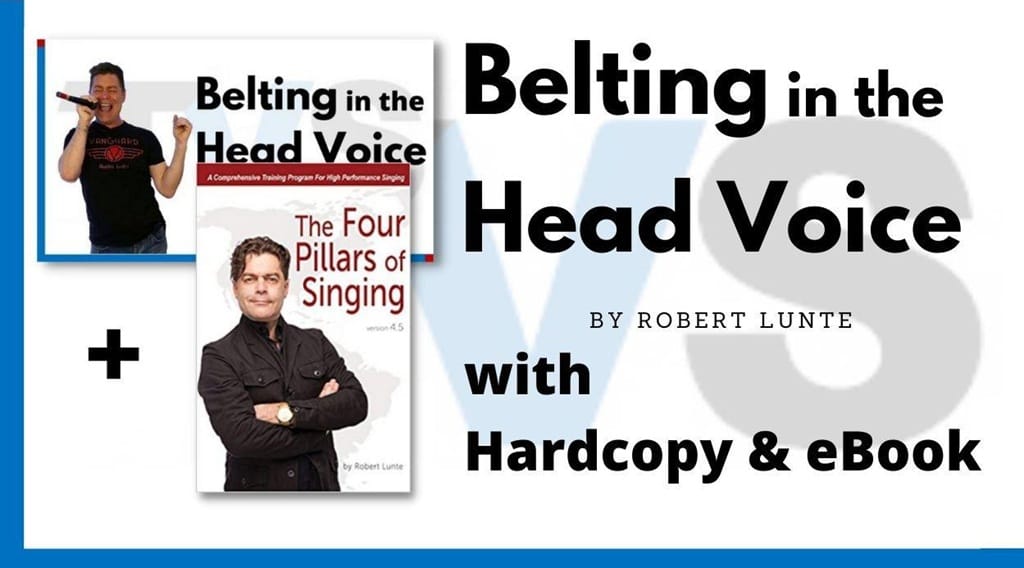
If you prefer something tangible, the vocalist studio book is a great addition. It's optional but designed to be a perfect match for the video training.
Matches the modules and includes instant eBook access
This 616-page, full-color book matches the online lessons perfectly. It also comes with eBook access. This means you can start learning right away and quickly find important terms with a search function.
As a Robert Lunte book, it follows the training structure. It includes concepts and cues that link back to the video lessons. This helps you stay on track and remember what you learned weeks later.
Made for readers who want a technical reference
The book dives deep into topics like anatomy, acoustics, and precise coordination goals. It's a detailed vocal technique reference. This can help you better understand complex ideas.
It's like a vocal training textbook you can go back to whenever you need. You can mark important pages, check definitions, and compare your feelings to the written goals.
Clarity multiplier when you pair it with video training
One student found pairing the book with the course helped a lot. They made progress up to page 135 and then used the videos to apply what they learned. This back-and-forth method makes it easier to remember during real practice.
Robert Lunte believes students who buy the book gain about “3x more insights and understanding.” Many say the vocalist studio book clarifies complex ideas.
Pricing, Value, and What’s Included
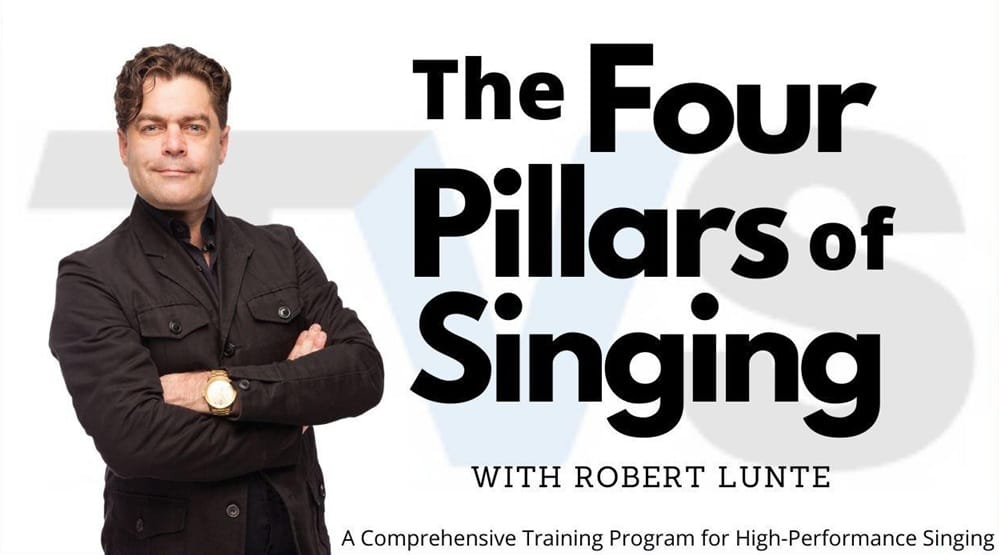
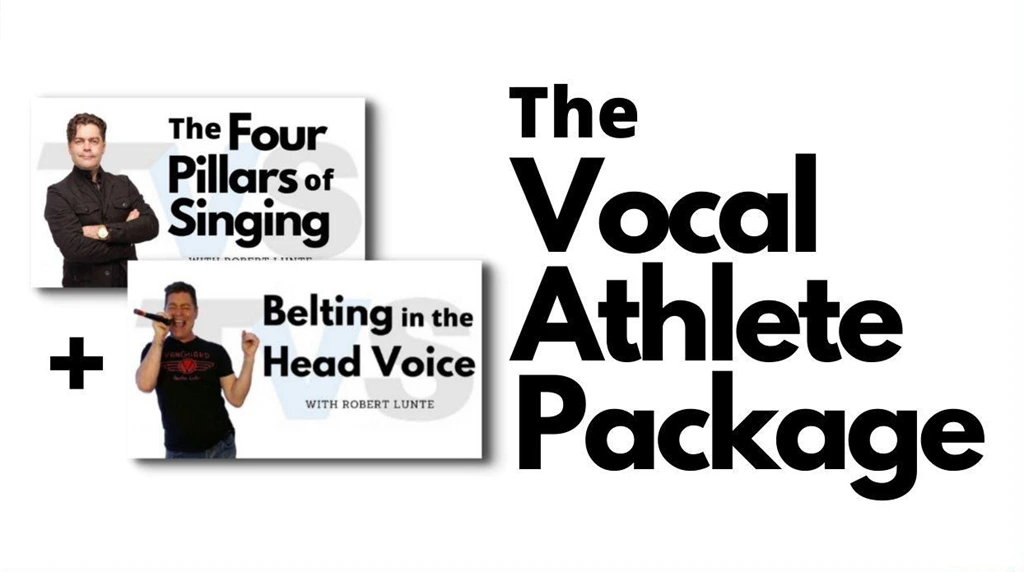
Looking at The Vocalist Studio pricing, you will see The Four Pillars of Singing program for $297. If you want the Vocal Athlete Package, it's $397. The optional Book is $197.
Many singers wonder about the vocal training value. Reviews say it's not the cheapest but worth it. This is because of all the material and the option to go back to lessons whenever you want.
This bundle looks even better when compared to Robert Lunte's private lessons. His lessons are usually $300 per hour.
Before you buy, remember: no free trials are offered. The policy is clear—no free trials. So, be ready to commit before you check out.
Songs, Styles, and Performance Skills: What the Curriculum Emphasizes
If you are looking for a course that covers hit songs note by note, you might be disappointed. The Vocalist Studio focuses more on vocal training basics than a huge song library. It helps you build habits first, then apply them to your favorite songs.
Its design helps when your singing style changes from one gig to another. Robert Lunte's approach focuses on motor skills, acoustics, and anatomy. So, you can focus on rock, pop, country, or musical theater.
Students talk about growing in more ways than just singing. They mention better performance skills, stronger stage presence, and a precise approach. This approach is great for schools and college-level settings.
But don't expect fancy tools. You won't find recording software, metronomes, or production extras in the course. The value lies in the mechanics and gear suggestions that support the same core movements.